
A local agent called me about a distressed property in DFW. Here is exactly how I ran the numbers, what I offered, and why a 6.1% cash-on-cash return on a debt-free deal made sense.
Analyzing a rental property investment in DFW comes down to one number most buyers never calculate: the equity you create the moment the deal stabilizes. On the distressed house in these photos, I bought at roughly 75 cents on the dollar of its stabilized value, created about $64,000 in immediate equity, and set up $964 a month in cash flow on a debt-free deal. A local agent called me about it and told me upfront it was in rough shape. The photos tell the rest of the story, and thankfully the internet has not developed scratch and sniff technology yet because this house would have cleared the room.
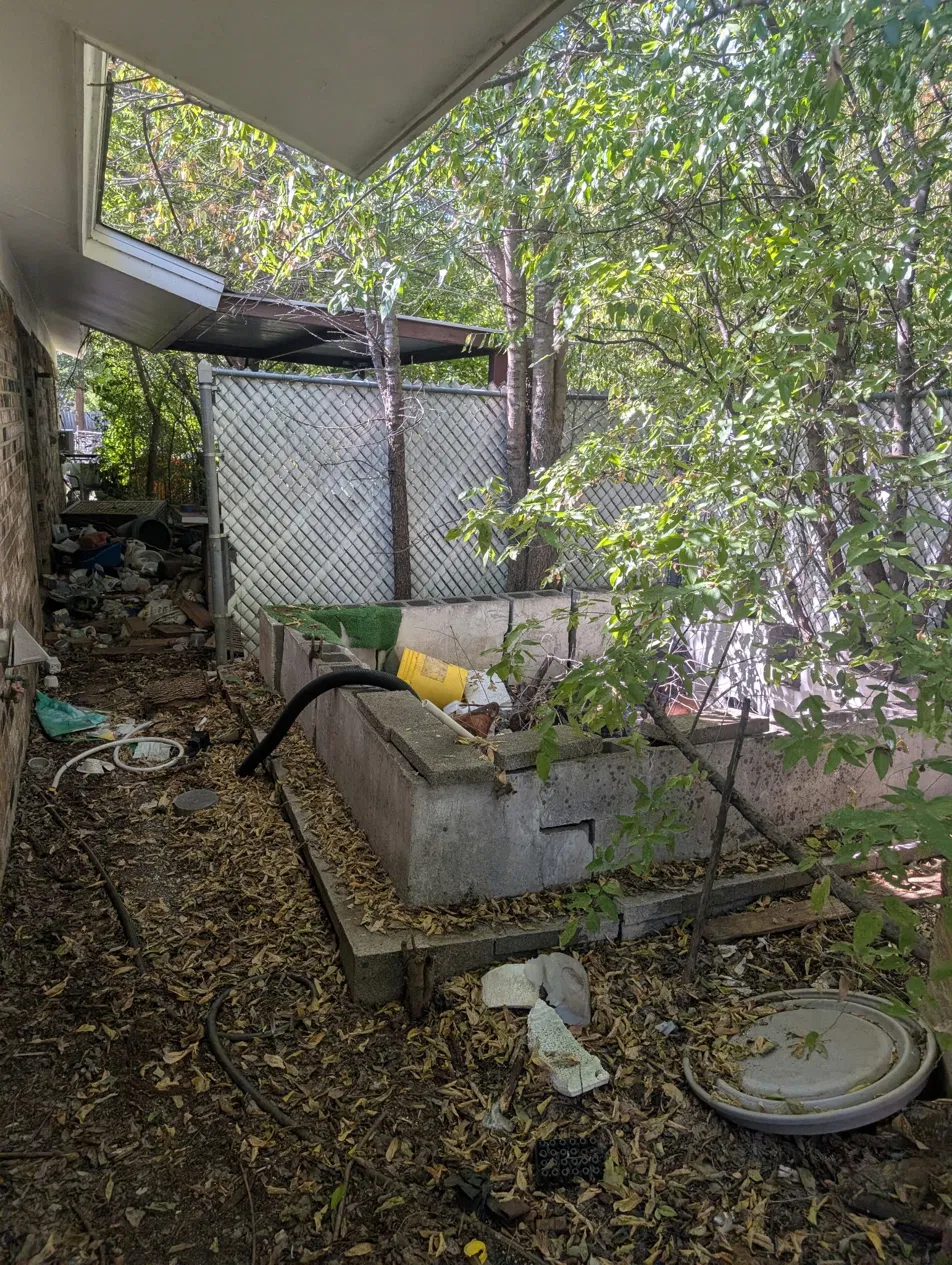
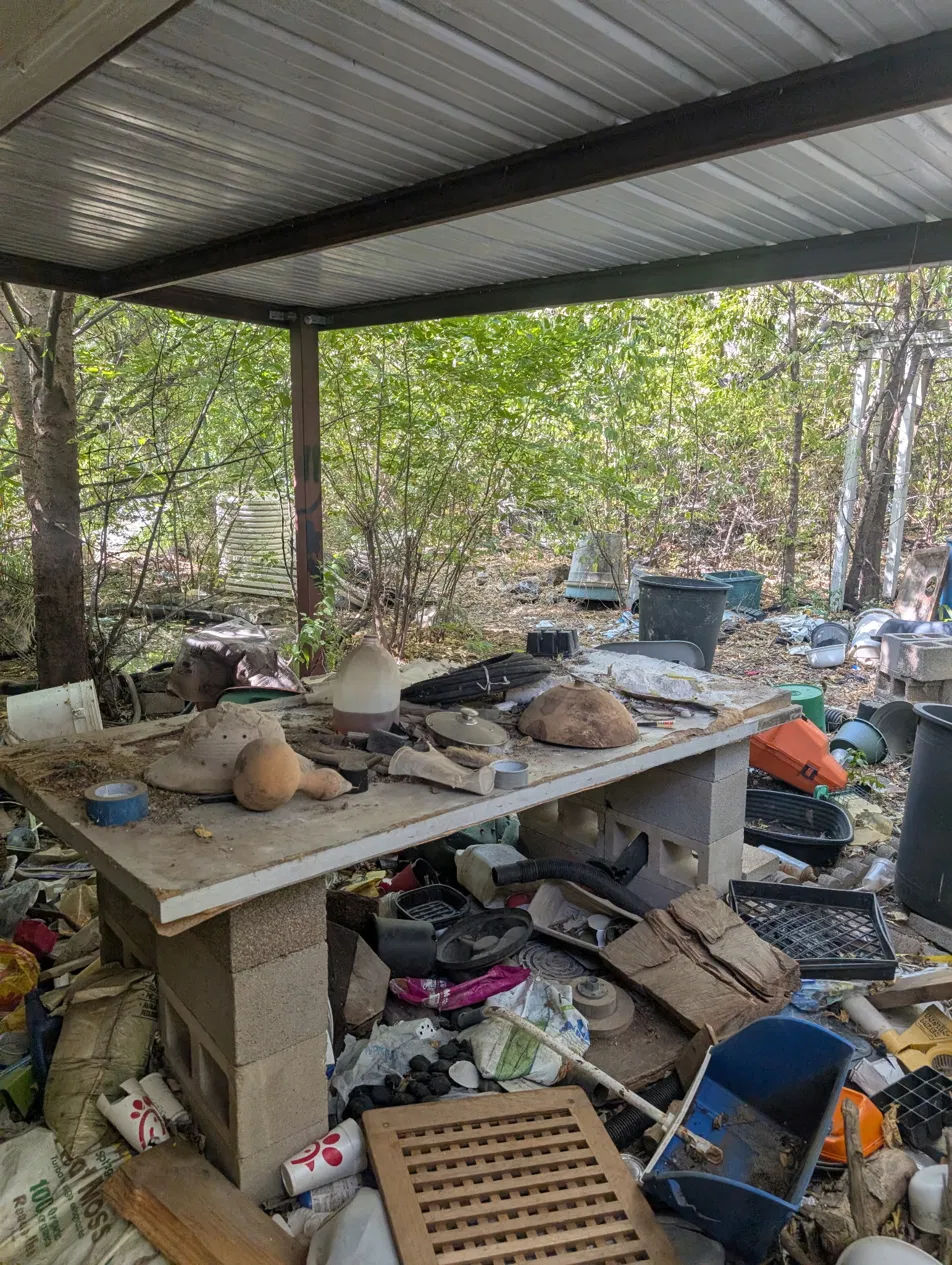
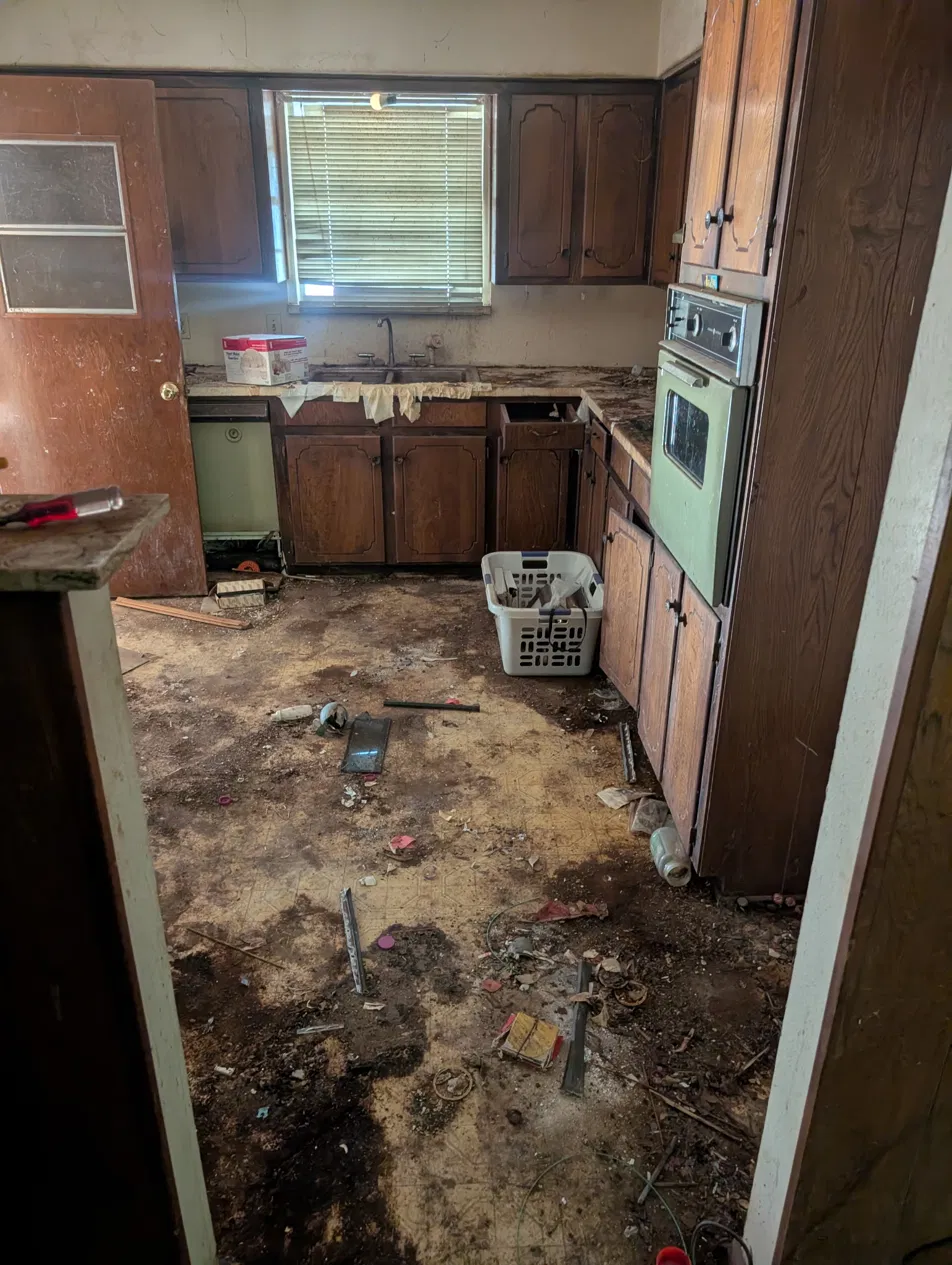
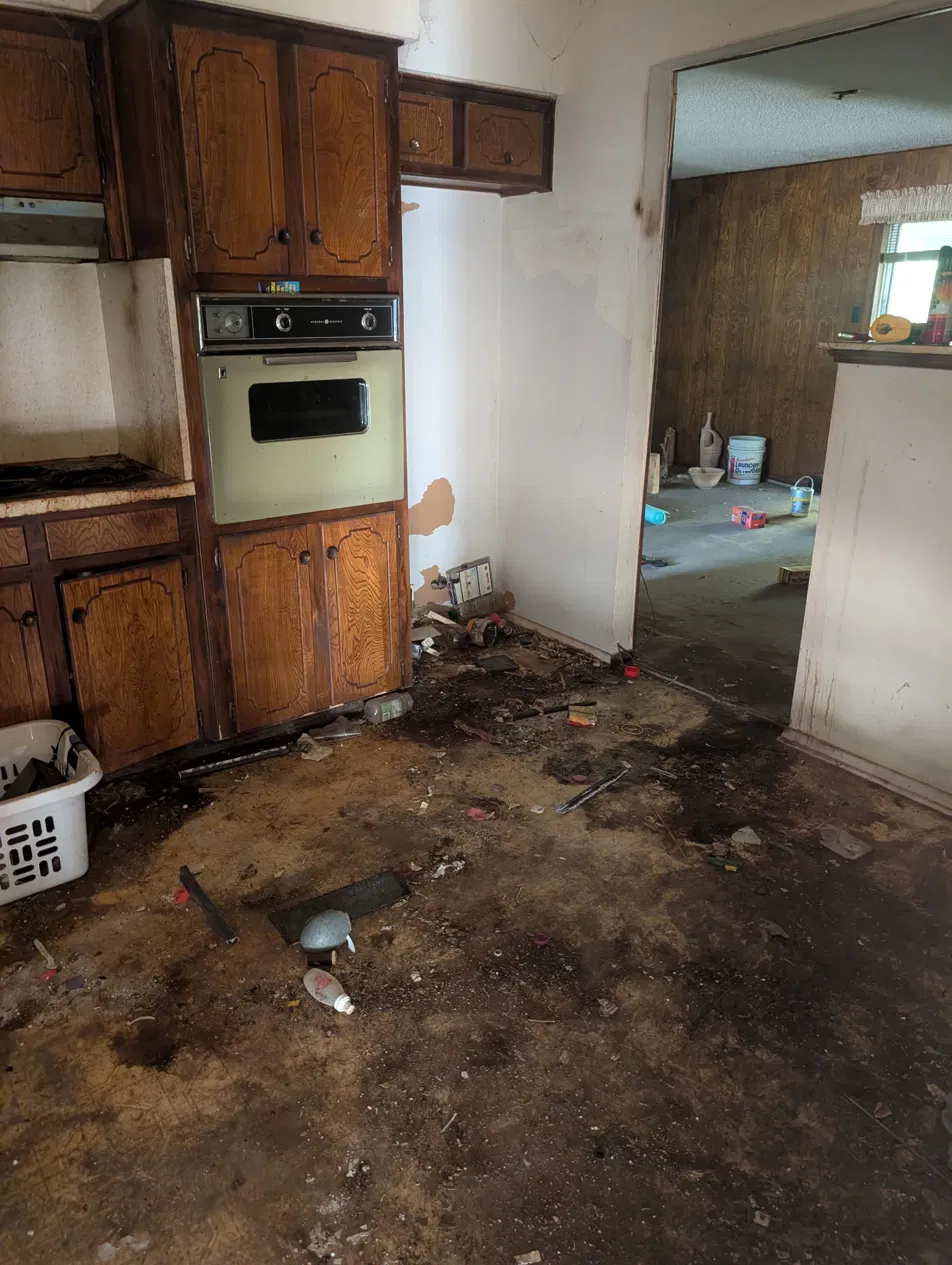
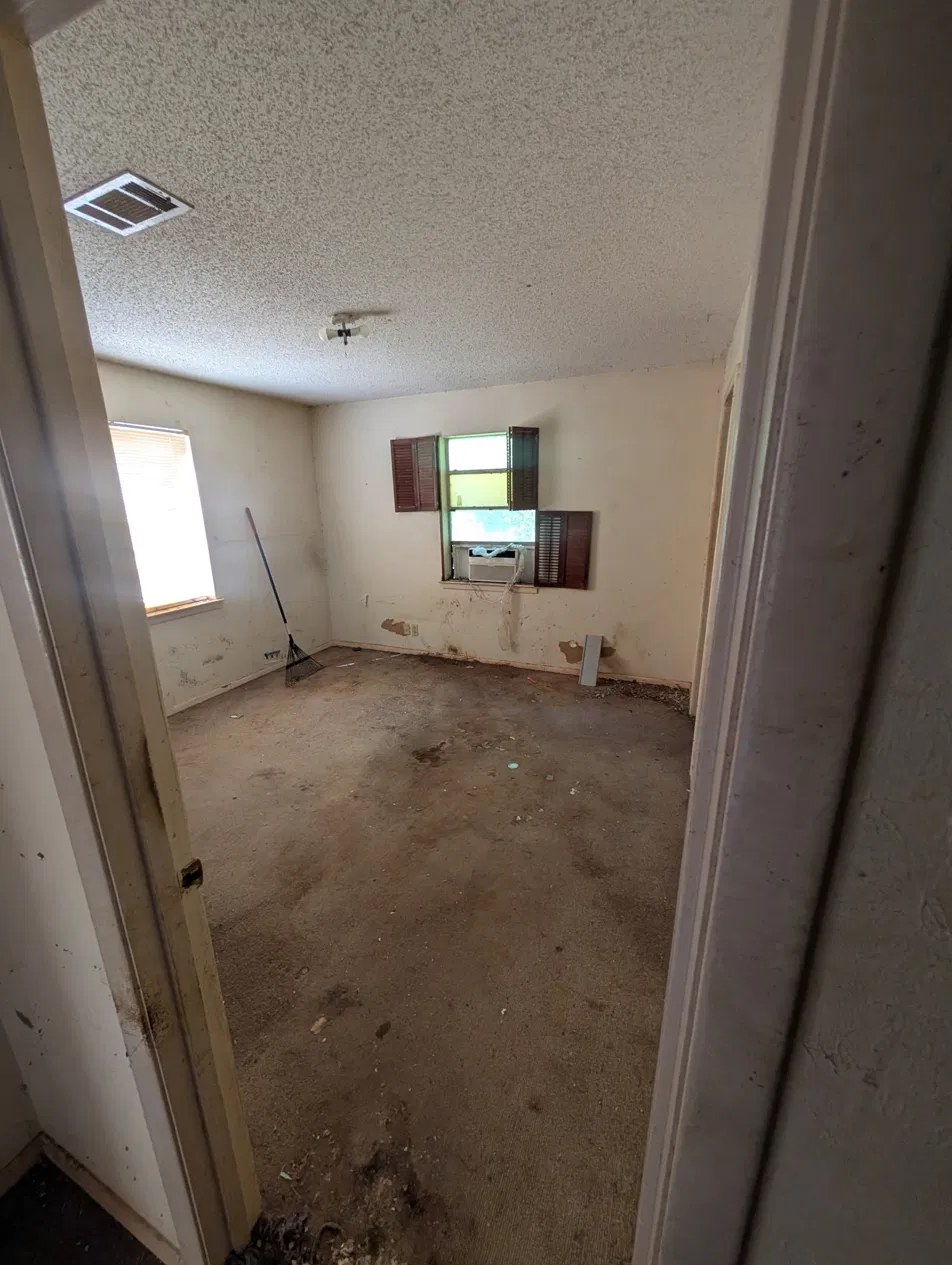
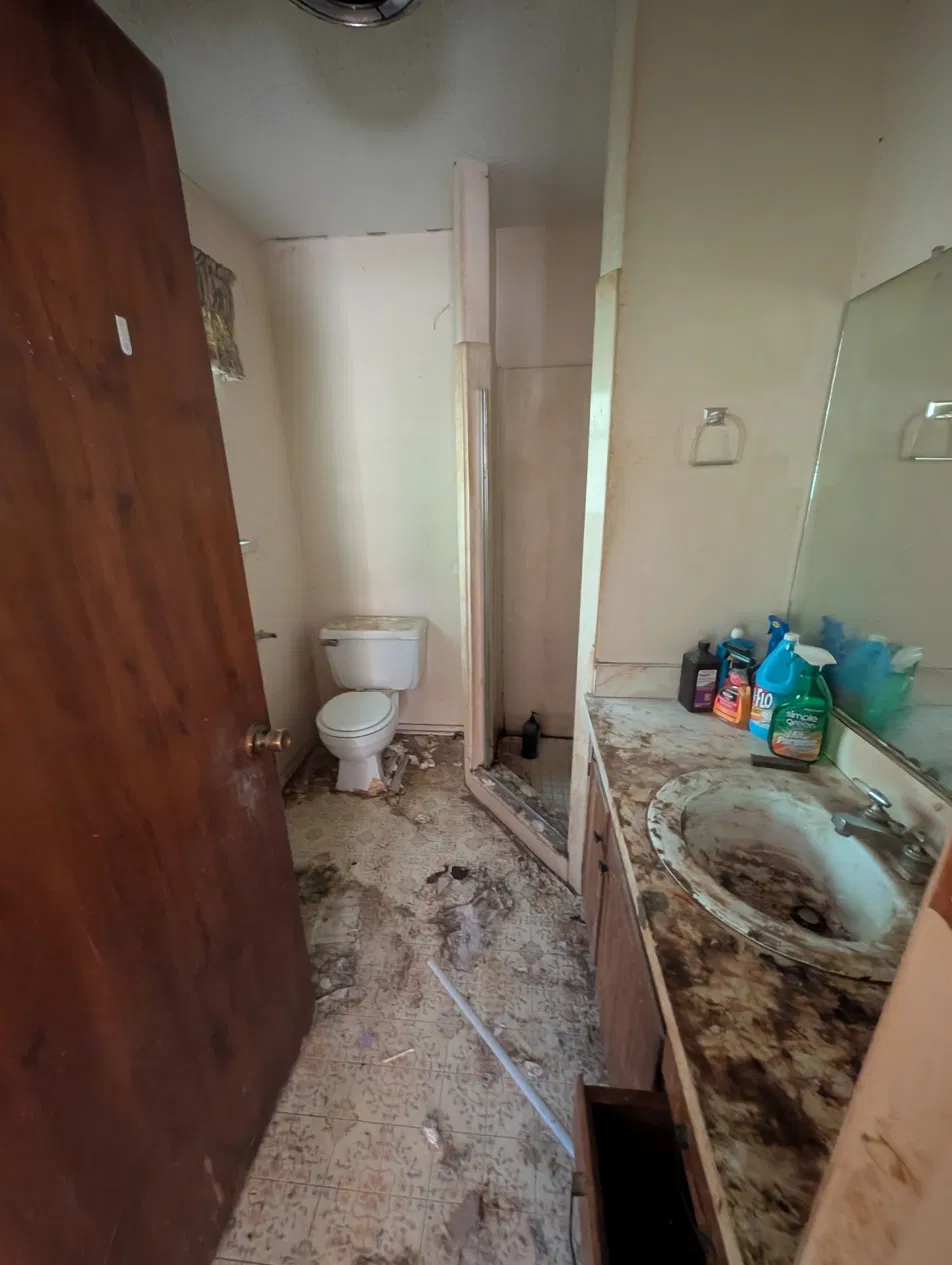
Here is exactly how I walked through this deal, what the numbers looked like, and why I said yes.
Free: The First Chapter of Six Figure Agent
Nick's playbook for building a durable six-figure real estate business. Grab the first chapter free while you read.
What I Was Looking At
The property is a 1,148 square foot home with three bedrooms, two bathrooms, and a two-car garage. The windows are original and old. The backyard is a disaster, overgrown landscaping and years of accumulated debris. The kitchen and bathrooms look like a scene from a property that has been abandoned for a long time. The garage is packed with junk. The whole place smells like a project, which is exactly the point.
This is the kind of property that most buyers walk away from. Distressed properties in DFW that need significant rehab are where equity gets created, because you are buying someone else's problem and solving it with capital and systems.
Step One: Run the ARV Before You Run Anything Else
ARV stands for After Repair Value. It is the stabilized market value of the property once it has been fully rehabbed to a condition competitive with nearby comps. I never look at a purchase price in isolation. The purchase price only matters relative to what the property is worth after work and what it will cash flow as a rental.
For this property, I pulled active and sold comps in the immediate area and landed on this range:
- Low end ARV: $245,000
- High end ARV: $275,000
- Most likely stabilized value: $255,000
I use the middle number as my base case. The low end is my downside protection number. I never underwrite to the high end.
Want these numbers run on your business?
The Good Home Team: RealTrends Verified #1 in Plano, TX, based on 2025 data. 162 team sides in 2025. 220+ agents sponsored.
Book a 15-minute call with Nick →Step Two: Build the Full Cost Stack
This is where most new investors make mistakes. They look at the purchase price and forget everything else that goes into the all-in basis. Here is the complete cost stack on this deal:
- Offer and purchase price: $103,500
- Rehab budget: $75,000
- Finder's fee to the agent: $5,000
- Estimated closing and title costs: approximately $7,500
- Total all-in basis: approximately $191,000
That $191,000 is what matters. Not the $103,500 purchase price. The all-in number is what you are actually investing and what your returns have to be calculated against.
Step Three: Establish the Rental Economics
I pulled rental comps on similar three-bedroom, two-bathroom homes in this DFW submarket. The range came back at $1,900 to $2,000 per month. I underwrote to $1,925 per month as my stabilized rent, conservative enough to be realistic, not so conservative that I am leaving real economics on the table.
Here is the full annual income and expense breakdown with no debt on this deal:
- Gross annual rent: $23,100
- Property taxes: -$3,996.52
- Insurance: -$3,500
- Property management at 5%: -$1,155
- Vacancy reserve at 5%: -$1,155
- Maintenance and CapEx reserve at 7.5%: -$1,732.50
- Net annual cash flow: $11,561.98
- Net monthly cash flow: $963.50
A note on the maintenance reserve: I used 7.5% here as a conservative standard assumption. In practice, because the property is being fully rehabbed before a tenant moves in, the first few years of maintenance should run lower than that. The reserve is there for long-term capital expenditures like roof, HVAC, and appliances, not for immediate repairs on a freshly rehabbed asset.
Step Four: Calculate the Real Returns
Two numbers matter most on a debt-free rental deal: cash-on-cash return and equity capture.
Cash-on-cash return:
- Net cash flow: $11,561.98
- Total capital invested: $191,000
- Cash-on-cash return: 6.1%
Equity capture:
- Stabilized ARV: $255,000
- Total all-in basis: $191,000
- Immediate equity created: $64,000
- Equity capture as a percentage of cost: 33.5%
- Equity capture as a percentage of ARV: 25.1%
- All-in basis as a percentage of ARV: 74.9%
Buying an asset at 74.9 cents on the dollar is the entire point of distressed property investing. You are not buying a house. You are buying a problem that you know how to solve and the market does not yet recognize the solved value.
The Number I Like Most on This Deal
The single number that puts this deal in full perspective is the Year 1 economic value creation:
- Equity created at stabilization: $64,000
- Annual cash flow: $11,562
- Total Year 1 economic benefit: approximately $75,562
- That represents 39.6% of the $191,000 invested capital
To be precise about what that means: the 6.1% is the recurring annual cash yield going forward. The equity creation is a one-time value event at stabilization. But in Year 1 combined, you are creating $75,562 in economic value on $191,000 deployed. That is the argument for distressed property investing done right.
Why This Deal Made Sense and What to Watch
The deal works because the math is clean, the rehab scope is defined, and the rental demand in this DFW submarket is real. Three bedrooms with a two-car garage rents fast and holds tenants well. Families do not move out of those configurations every year.
What I watch for on a deal like this: rehab overruns, title issues on distressed properties, and accurate rental comp data. The $75,000 rehab budget needs to be estimated by someone who has actually walked the property and priced the work, not a number pulled from the air. One of the advantages of running a vertically integrated operation across real estate sales, property management, and home services through Pro Care Home Solutions is that I have real cost data on what rehab actually runs in DFW right now, not what it ran two years ago.
This is what passive income in real estate actually looks like. It is not glamorous at the starting line. It is distressed kitchens, overgrown backyards, and garages full of other people's junk. On the other side of that is a fully stabilized rental producing $964 per month with $64,000 in immediate equity and no debt service. I break down my full DFW real estate investing framework here.
If you are a DFW investor or an agent looking for a partner who understands both the deal analysis and the execution side, the conversation is worth having. You can also learn how agents build passive income through the Residual Agent Network here.
Want to talk through a DFW investment deal? Connect with me →
Free: The First Chapter of Six Figure Agent
The systems, leverage, and discipline behind a six-figure real estate business. Nick's playbook, sent straight to your inbox.
Frequently Asked Questions
How do you analyze a rental property investment?+
Start with the After Repair Value (ARV) from local comps, then build the full all-in basis: purchase price, rehab budget, fees, and closing costs. Establish stabilized rent from rental comps, subtract all operating costs (taxes, insurance, management, vacancy, and maintenance reserve) to get net cash flow, then calculate cash-on-cash return and equity capture. The purchase price only matters relative to the all-in basis and the stabilized value.
What is a good cash-on-cash return on a rental property?+
It depends on leverage and market. On this debt-free DFW deal the cash-on-cash return was 6.1%, paired with $64,000 of immediate equity created at stabilization. On a no-debt deal a mid-single-digit cash yield plus a large one-time equity capture can be strong, because the equity is real value created in Year 1 on top of the recurring yield.
What does all-in basis mean in real estate investing?+
All-in basis is the total capital you actually invest in a property: purchase price plus rehab budget plus fees plus closing and title costs. On this deal a $103,500 purchase price became an approximately $191,000 all-in basis. Returns must be calculated against the all-in basis, not the purchase price, which is the mistake most new investors make.
Is buying a distressed property in DFW worth it?+
It can be, when the math is clean and the rehab scope is defined. Buying at roughly 75 cents on the dollar of stabilized value is how equity gets created. The risks to watch are rehab overruns, title issues, and inaccurate rental comps, so the rehab budget should be priced by someone who has walked the property, not estimated from the air.
About the Author

Nick Good
Nick Good is a 22-year Dallas-Fort Worth real estate operator, founder of The Good Home Team powered by PLACE at eXp Realty, and author of Six Figure Agent. His team is RealTrends Verified number 1 in Plano, Texas, and he has personally sponsored more than 220 agents at eXp.
Want to build wealth and freedom with Nick?
Whether you're growing a real estate business, investing for passive income, or planning your next move in DFW, let's talk.
Connect With Nick